



.png)


Overview
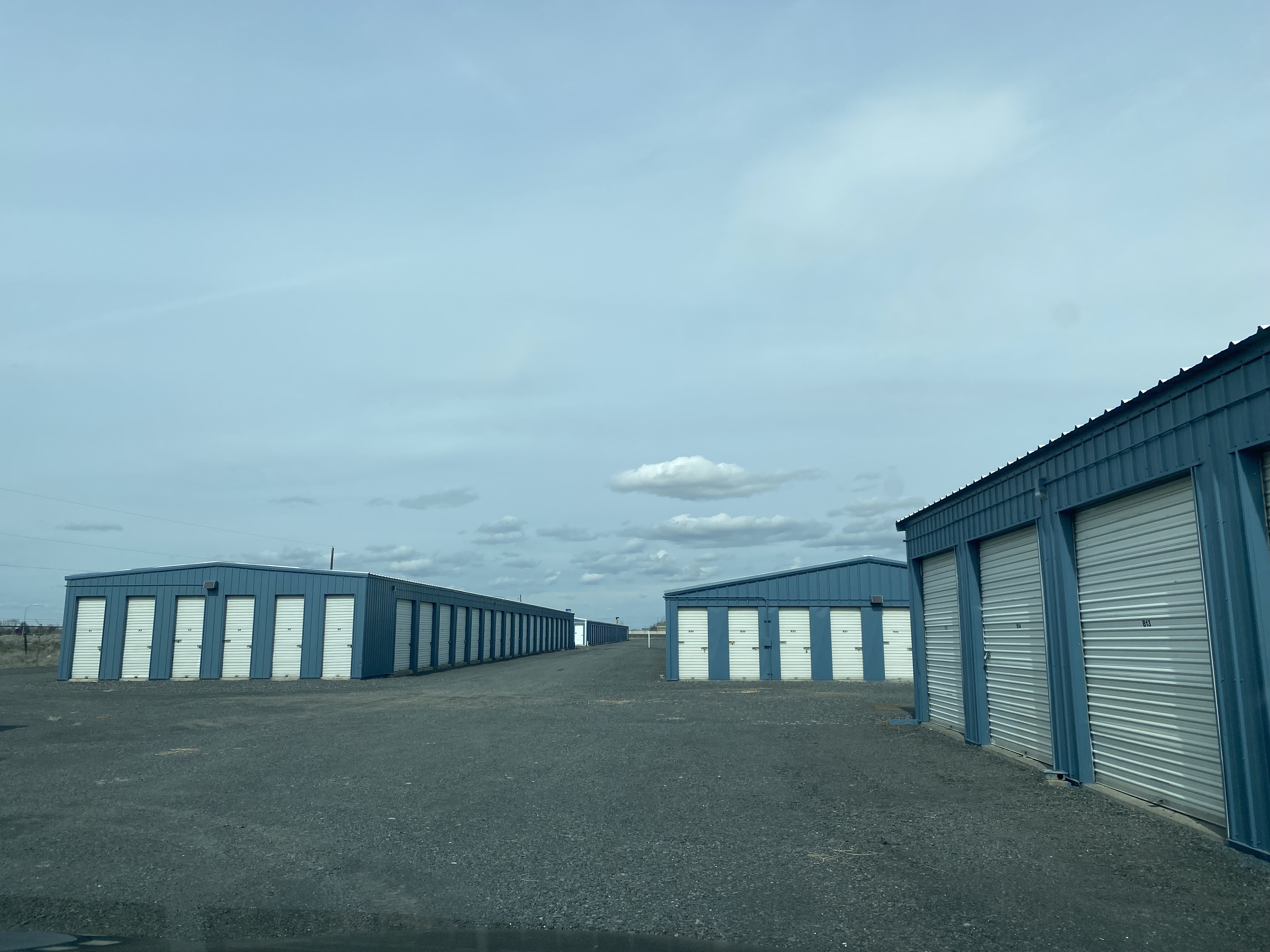
We were engaged to manage a 250-unit self-storage facility with the objective of stabilizing occupancy, improving operational efficiency, and positioning the asset for a successful disposition. The property required both operational restructuring and revenue optimization to unlock its full performance potential.
Through disciplined management and a data-driven approach to pricing, leasing, and expense control, the facility achieved a sustained occupancy rate of 90%. These improvements translated into significant NOI growth and ultimately supported a successful exit at an optimized market valuation.
Objective
The primary objective of the engagement was to enhance overall asset performance by improving occupancy and revenue per unit while maintaining strict control over operating expenses. A secondary goal was to create predictable, scalable cash flow and position the property for a strategic disposition at maximum value.
Key Challenges
At the time of takeover, the facility was operating below optimal performance levels, with occupancy significantly under market benchmarks and inconsistent leasing velocity limiting revenue stability. Pricing strategy lacked structure across unit types, resulting in inefficiencies in how inventory was being monetized.
Operationally, the asset also suffered from limited financial visibility and reporting discipline, making it difficult to track performance trends or identify optimization opportunities. In addition, the property required repositioning to become competitive within its local market ahead of a planned exit.
Strategy & Execution
Occupancy Stabilization & Demand Generation
The first phase of execution focused on improving occupancy through targeted demand generation and operational responsiveness. Digital marketing campaigns were introduced to increase lead flow and improve visibility within the local market.
At the same time, lead response processes were streamlined to reduce friction in the conversion funnel, ensuring that prospective tenants were engaged quickly and consistently. Short-term promotional offers were also deployed strategically to accelerate lease-up and stabilize occupancy levels.
Revenue Management & Pricing Strategy
Once occupancy began to stabilize, attention shifted toward revenue optimization. A structured pricing strategy was implemented across unit types, taking into account demand patterns, unit size segmentation, and competitive positioning within the market.
Rent increases were introduced in a phased and controlled manner for existing tenants, balancing revenue growth with retention risk. This dual approach allowed the asset to improve both occupancy and revenue per unit without compromising overall stability.
Operational Efficiency Improvements
Operational discipline was strengthened through the implementation of standardized reporting and KPI tracking. This created clearer visibility into performance drivers and enabled more informed decision-making across leasing and expense management.
Vendor relationships were reviewed and optimized to reduce unnecessary operating costs, while maintaining service quality. Facility condition improvements, including upgrades to security and customer experience touchpoints, contributed to stronger tenant satisfaction and retention.
NOI Growth Focus
With both occupancy and pricing improvements in place, the focus shifted to maximizing net operating income. Revenue growth was driven by the combined effects of higher occupancy and improved rent levels, while expense growth was tightly controlled to expand margins.
This alignment between top-line growth and cost discipline resulted in a meaningful and sustained increase in monthly cash flow, strengthening the asset’s financial profile.
Disposition Strategy
As performance stabilized, preparation for disposition began. Financial reporting was refined to ensure clarity, consistency, and investor readiness. The asset was positioned with a clear narrative around stabilized occupancy, improving NOI, and operational efficiency gains.
This positioning allowed the property to be presented as a high-quality, income-producing asset aligned with prevailing market cap rate expectations. The resulting sales process attracted strong buyer interest and supported a competitive exit environment.
Results
The engagement produced significant improvements across all key performance metrics.
Occupancy increased from approximately 72% at takeover to 90% at disposition, providing a stable foundation for revenue growth. Over the same period, net operating income more than doubled, increasing from roughly $73,000 to $162,000.
This performance improvement translated into substantial valuation growth, with the asset increasing from an estimated ~$1.45M to approximately ~$2M at exit. Cap rate compression from ~7.5% to 6%, combined with NOI expansion, further amplified total value creation.
The property ultimately sold at a premium valuation supported by strong operational performance and consistent financial growth, resulting in an estimated 37.9% return on investment.
Key Takeaways
This case underscores the central role of NOI growth in driving self-storage asset valuation. Even modest improvements in occupancy and pricing can produce outsized effects on overall property value when combined with disciplined expense management.
Strategic pricing, when paired with operational stability, can significantly enhance revenue performance without sacrificing occupancy. Equally important, clean financial reporting and consistent operational execution are critical in preparing an asset for successful disposition.
Cap rate compression further amplifies value creation when layered on top of NOI growth, highlighting the importance of both operational and market positioning strategies.
Conclusion
Through focused operational management, structured pricing strategy, and disciplined financial oversight, the 250-unit self-storage facility was transformed into a high-performing, institutionally positioned asset. The combination of increased NOI, improved occupancy, and optimized market positioning enabled a successful disposition and delivered an estimated 37.9% return on investment - demonstrating how operational execution directly translates into measurable value creation.

.png)
E-mail: info@nremg.com
Call us: 833-GO-NREMG
© 2018 - 2026 National Real Estate Management Group® LLC.
All Rights Reserved. Privacy Policy and Terms of Use.
-p-500.png)
